Trusted Amazon dog finds — Save time: we pick the best, you click & shop

First-Aid for Dogs: Essentials to Keep at Home

+ Best Pre-Made Kits

Quick Essentials Checklist (printable)


These are the must-haves most veterinary organizations agree on for a canine first-aid kit; we recommend keeping them together in a hard case or soft pouch with a contents card:

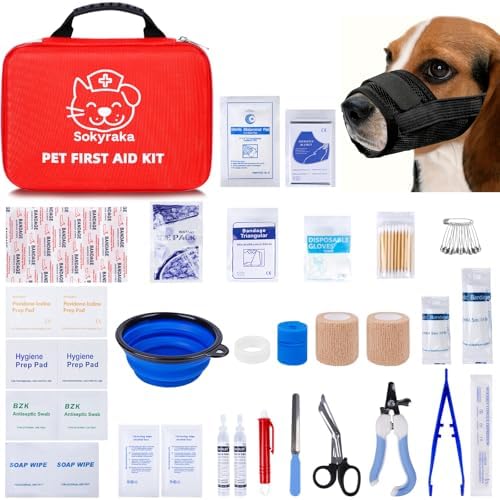
Wound care: sterile gauze pads (various sizes), non-stick pads, rolled gauze, vet wrap (self-adherent), medical tape, saline solution (for eye/skin flush), antiseptic wipes/ointment (pet-safe), and EMT shears.

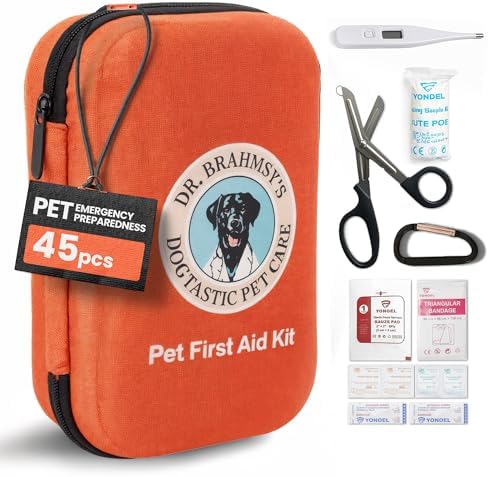
Tools: tick remover or tweezers, digital thermometer, penlight, splinter picker, blunt-tip bandage scissors.

Protection & restraint: muzzle (or soft gauze to fashion one), spare leash/slip lead, triangular bandage, space blanket (shock/temperature).

Extras: styptic (for nail bleeds), instant cold pack, gloves, lubricating jelly (temp checks/protecting wounds), cone/soft collar to stop licking.

Medications (with vet guidance): 3% hydrogen peroxide on-hand only if a vet/poison control specifically advises inducing vomiting for that toxin; antihistamine dosing for allergic swellings must be confirmed with your vet first.

Paperwork & numbers: your vet, a 24/7 ER clinic, and ASPCA Animal Poison Control (1-888-426-4435) on a card in the kit; recent vaccine/med list in a zip bag.

First-Aid for Dogs: Essentials to Keep at Home + Best Pre-Made Kits (2025)

What Each Item Does (and when not to use it)

Gauze + vet wrap: Clean with saline, pad with non-stick, wrap with firm but not tight tension; you should slide two fingers under the wrap. Vet wrap sticks to itself—don’t use it as the only layer on skin.

Saline vs hydrogen peroxide: Use saline to flush eyes/wounds; reserve 3% peroxide only when a vet/poison control instructs you to induce vomiting (never for caustics, sharp objects, antifreeze, xylitol).

Antiseptic ointment/wipes (pet-safe): Dab a thin layer after flushing; avoid products with human-only ingredients that may be toxic if licked.

Tick tool/tweezers: Grasp close to skin, pull straight up; disinfect site and observe.

Thermometer + lube: Normal canine rectal temperature ~100–102.5°F; ≥103.5°F is a concern—cool gradually and call your vet. (Numbers supplied during training; see Red Cross course.)

Muzzle/slip lead: Pain can trigger bites. Muzzle unless the dog is vomiting, having breathing trouble, or overheating.

Build vs Buy: How to choose a pre-made kit

Buy a kit if… you want organization, a compact pouch, and basics pre-packed for home, car, or trail. The best kits include pet-specific tools (tick puller, slip lead, muzzle) and clear instructions. Several independent guides and brand pages list these contents; we verified a handful that stand out in 2025.

Build your own if… you want hospital-grade quantities, specific sizes for your dog, and to add your vet’s preferred meds. See organizational lists from AAHA, AKC/AKC Pet Insurance, AVMA, and ASPCA to customize.

Quality signals:

-Includes saline, non-stick pads, self-adherent wrap, tick tool, thermometer, instructions.
-Zippered or clamshell case with labeled compartments.
-Room to add your dog’s meds and paperwork.

Reviews — Top 7 Best Dog First-Aid Kits (curated)


1. Adventure Medical Kits – Me & My Dog

Best for: Hike/car. Mixed human + canine supplies, pet first-aid manual, leash, blanket, and wound gear in an organized pouch. Great for owners who want instructions inside the bag.

Why it’s good: Recognized by multiple buyer guides as a top trail option with dog-specific tools.

2. ARCA PET First-Aid Kit (75–100-piece options)

Best for: Home or car. Often includes digital thermometer, muzzle, tick tool, and a tidy pouch. Several variants exist (single kit or 3-pack for home/car/travel).

Why it’s good: Good balance of price vs completeness; “Amazon’s Choice” tag on some listings reflects strong buyer sentiment.

3. Kurgo Dog First-Aid Kit / Kurgo RSG

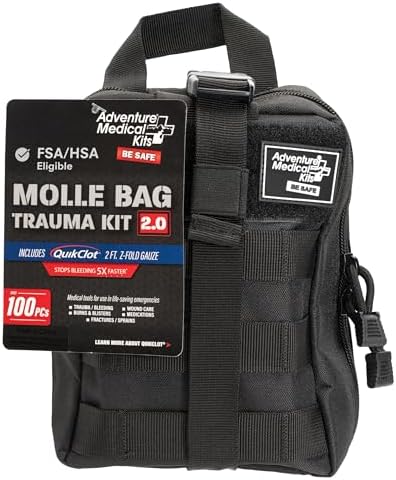
Best for: Glovebox + day hikes. Compact, durable 50-piece style with a pet first-aid guide; the RSG pouch is MOLLE-compatible for hiking harnesses.

Why it’s good: Trusted travel brand; sturdy pouch; easy to restock.

4. EVERLIT Pet Medic Kit

Best for: Budget car kit that still hits the basics (bandaging, gloves, tools) in a compact pouch.

Why it’s good: “Vet-approved” marketing and a tidy, portable case; a solid backup kit for the trunk.

5. K9 Ballistics Tough Orthopedic (Chew-Resistant Cover)

Best for: Ultralight hikers who need smaller packouts with medical-grade dressings and a field manual.

Why it’s good: Medical-grade gauze and smart curation for cuts, sprains, and transport.
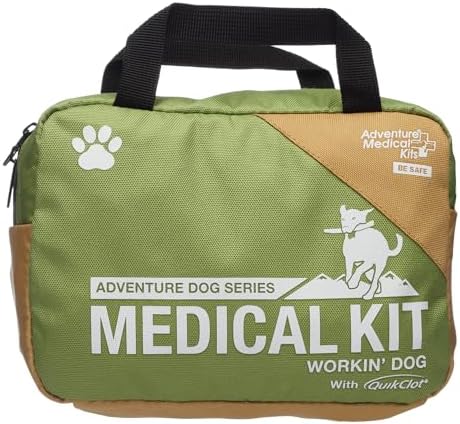
6. Pet Evac Pak (72-Hour Emergency Kits)

Best for: Disaster readiness. Full go-bags with food, water (5-year shelf), bowls, leash, plus a pet first-aid kit; sizes by dog weight.

Why it’s good: Built for evacuations; easy to grab and go.

7. My Simple Pet Lab First Aid Care Dog Kit (compact, vet-guided)

Best for: Owners who want clear instructions and dog-safe products in a small case (popular editorial pick).

Why it’s good: Vet-approved guide, labeled components, and lightweight case.

Mini How-Tos (save/print this)

Rule #1: Stabilize → call your vet/ER → then treat. If poison is suspected, call ASPCA Animal Poison Control (1-888-426-4435) immediately.

A) Cuts & Pad Nicks
Muzzle if safe; gloves on.
Flush with saline, blot with gauze.
Apply non-stick pad + gauze; secure with vet wrap (two-finger rule).
Styptic is for nails only, not deep wounds.
Seek vet care for deep, gaping, or contaminated wounds.

B) Torn/Raw Paw or Hot Pavement
Rinse, pat dry, pad with non-stick + gauze, wrap lightly; bootie if you have one. Limit walks for 2–3 days; monitor for swelling or discharge.

C) Allergic Swelling (face, hives)
Remove suspected trigger. Call your vet about antihistamine dose appropriate for your dog’s weight/health. Watch breathing.

D) Heat Stress/Heatstroke
Move to shade/AC. Cool gradually with room-temp water on armpits/groin; don’t use ice baths. Offer small sips; transport to ER. (Training resources emphasize cooling + transport.)

E) Eye Irritant
Flush with sterile saline
from inner to outer corner. Do not use redness-relief human drops. Protect with a cone and call your vet.

F) Ticks, Splinters, Foxtails
Use a tick tool; straight pull; save the tick in a bag if you’ll test it. For embedded foxtails, see a vet—barbs migrate.

Storage, Rotation & Labeling

Two-kit strategy: Keep a home base kit in a known cabinet and a grab-and-go kit in your car/backpack.
Label the outside: dog’s name, your vet & ER clinic numbers, poison control, and QR code to your dog’s cloud doc (vax/meds).
Quarterly check: replace expired meds, swap peroxide every 3–6 months (it degrades), restock bandages after any use. Authoritative lists recommend maintaining updated records and contacts alongside supplies.
Training: Take a 35-minute Red Cross Pet First Aid course; practice a paw wrap on a plush toy so the steps are muscle memory when stressed.

FAQs

What size kit do I need?

For home, pick a comprehensive kit with real dressings and a thermometer (e.g., ARCA PET home set). For the car or trail, choose a compact kit (Kurgo/Adventure Medical) and add your dog’s meds.

Should I include hydrogen peroxide?

Keep a fresh, unexpired 3% bottle, but only use to induce vomiting if your vet/poison control tells you it’s appropriate. Never for caustics, sharp objects, xylitol, or antifreeze.

Can I use my human first-aid kit?

Some overlaps (gauze, tape, gloves), but you’ll need pet-specific items (tick tool, muzzle/slip lead, cone) and dog-safe antiseptics/ointments. See AAHA/AKC/AVMA checklists.

What about disasters?

A 72-hour pet go-bag with food/water is ideal; pre-packed Pet Evac Pak kits are built for this and include a first-aid pouch.

More Recommendations

Leave a Comment

Your email address will not be published. Required fields are marked *

Join Our Dog-Loving Community

Your go-to source for curated Amazon dog products — from toys and gear to apparel and more. We help you find the best for your best friend.

Follow us!

Copyright © 2023 jackstore.fun | Powered by Creative Minds.

Scroll to Top